
Delayed Car Accident Injury Symptoms: What to Watch For
Some collision-related symptoms appear hours or days after a crash. Learn what to monitor, when to seek emergency help, and what to expect from an injury evaluation.
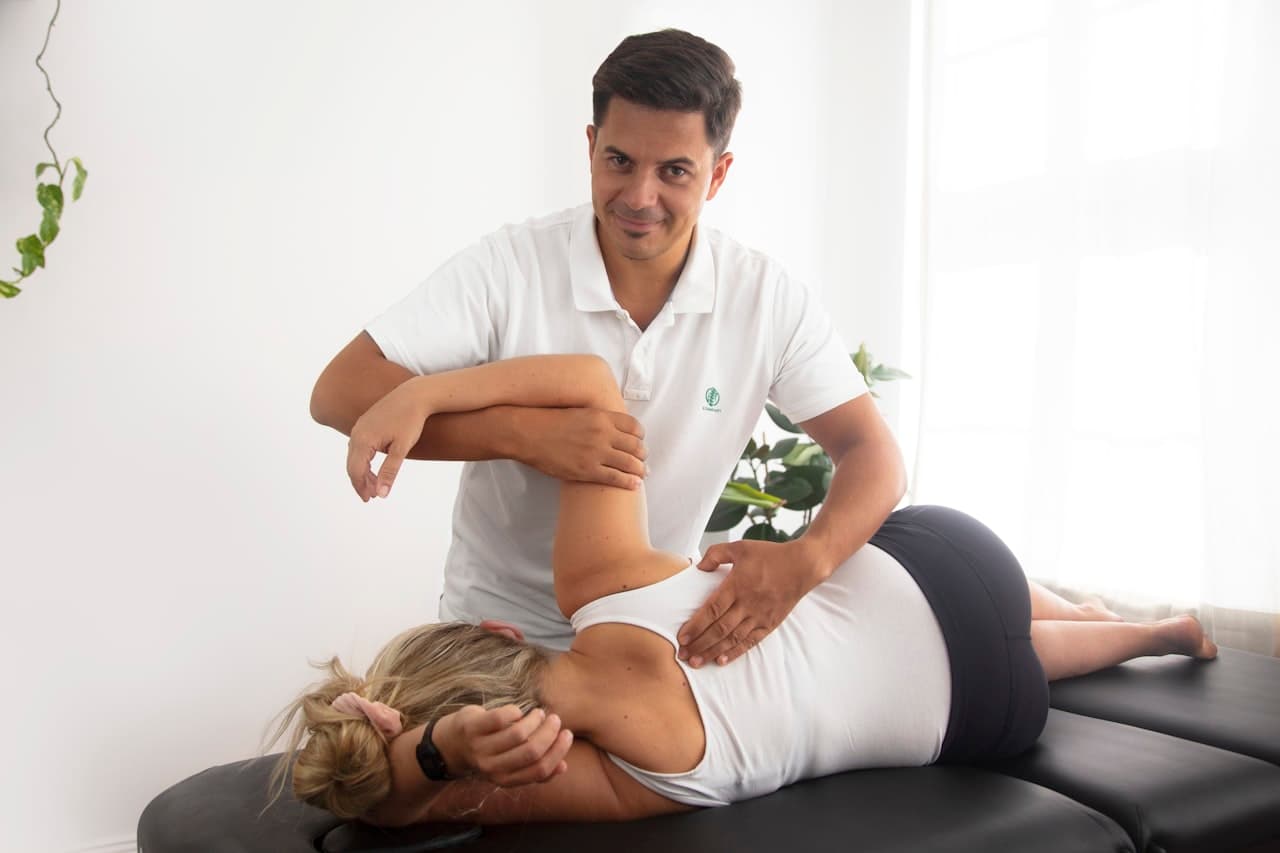
Feeling relatively normal immediately after a collision does not always mean you are uninjured. Neck stiffness, headaches, back pain, dizziness, sleep changes, or trouble concentrating can develop after you leave the scene. The timing varies by person and injury, so pay attention to new or worsening symptoms instead of using the first few minutes after the crash as your only health check.
Why can car accident symptoms be delayed?
A collision can strain muscles, ligaments, joints, and other tissues before soreness or limited motion becomes obvious. Whiplash symptoms often begin within days of an injury, according to Mayo Clinic. The CDC also notes that some mild traumatic brain injury and concussion symptoms may appear immediately while others take hours or days to develop.
Delayed symptoms do not identify a diagnosis by themselves. A licensed healthcare professional should review how the crash happened, your health history, your symptoms, and the results of a physical examination before recommending care.
Symptoms to monitor after a collision
Common concerns after a crash include neck pain or stiffness, back pain, headaches, shoulder pain, reduced range of motion, muscle spasms, tingling, numbness, dizziness, unusual fatigue, sleep problems, and difficulty concentrating. Write down when each symptom began, what makes it better or worse, and whether it interferes with driving, working, lifting, or sleeping.
A symptom diary can help your clinician see changes between visits. It is not a substitute for an examination, and you should not wait for a scheduled appointment if a serious warning sign appears.
Warning signs that need emergency care
Call 911 or go to an emergency department for a worsening headache that will not go away, repeated vomiting, seizure, slurred speech, increasing confusion or unusual behavior, one pupil larger than the other, weakness or numbness, decreased coordination, loss of consciousness, or severe drowsiness that makes the person difficult to wake. These are among the adult concussion danger signs identified by the CDC.
Also seek urgent help for trouble breathing, severe chest or abdominal pain, uncontrolled bleeding, a visibly deformed limb, or any symptom that feels severe or rapidly worsens. The Accident Doctor is an outpatient clinic and does not replace emergency trauma care.
What happens at an outpatient injury evaluation?
For a stable patient without emergency warning signs, an outpatient evaluation generally begins with the details of the collision, the direction of impact, seat-belt and airbag use, current symptoms, prior injuries, medications, and relevant health conditions. The clinician may evaluate posture, motion, tenderness, strength, sensation, and how comfortably you perform basic movements.
If the examination raises concern for a fracture, head injury, internal injury, or another condition outside the clinic’s scope, the appropriate next step may be urgent medical care or referral for diagnostic imaging. Treatment should follow the findings of the evaluation rather than a one-size-fits-all schedule.
Getting evaluated in Phoenix or Tolleson
The Accident Doctor evaluates musculoskeletal symptoms after auto accidents at its Phoenix and Tolleson clinics. Bring your photo ID, crash or insurance information you already have, medication list, relevant emergency or urgent-care paperwork, and your attorney’s contact information if you are represented.
Call or request an appointment if pain, stiffness, headaches, or limited motion develops after a collision. If you are unsure whether your symptoms belong in an outpatient clinic or emergency department, choose the safer level of care when symptoms are severe, neurological, or rapidly worsening.
Official resources
Common questions answered.
Get a clear next step after your car accident.
Same-day outpatient evaluations for stable neck, back, and musculoskeletal symptoms at our Phoenix and Tolleson clinics.
Learn about our car accident injury carePain or stiffness after a crash? Get evaluated.
Phoenix and Tolleson accident-injury appointments are available.